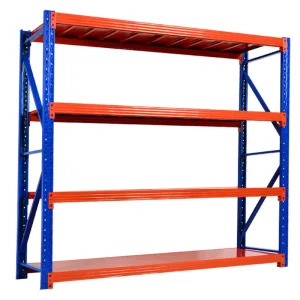
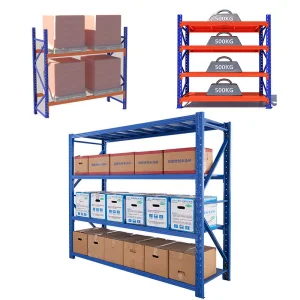
Explore high-durability platform trolleys, heavy-duty beam racks, and structural storage configurations engineered to maximize throughput efficiency across modern fulfillment networks.
Analyzing key structural shifts, material science advances, and ergonomic standards driving modern material handling equipment procurement.
In the contemporary globalized manufacturing and logistics ecosystem, the humble platform trolley has evolved from a basic manual push-cart into a highly engineered, mission-critical component of internal material flow (intralogistics). As fulfillment centers expand to multi-tiered layouts and manufacturing plants adopt lean Industry 4.0 principles, enterprise procurement teams face increasing complexity when sourcing equipment. Sourcing high-tensile, low-tare platform trolleys that balance heavy-duty load capacities with acoustic control and ergonomic compliance has become a direct driver of operational efficiency.
Global demand for platform trolleys, industrial hand trucks, and specialized mobile storage racks is projected to expand at a compound annual growth rate (CAGR) of 6.8% through 2030. Key macro trends accelerating this expansion include the rapid shift toward omnichannel retail logistics, strict occupational health and safety (OHSA) guidelines aimed at mitigating musculoskeletal disorders (MSDs), and the integration of automated guided vehicles (AGVs) alongside human-driven manual equipment.
Shift from heavy structural cast iron to cold-rolled SPCC steel frames and high-density polypropylene (PP) honeycomb decks, achieving up to 35% weight reduction while increasing dynamic load safety factors to 1.5x.
Implementation of silent precision ball-bearing Polyurethane (PU) and Thermoplastic Rubber (TPR) casters, reducing operational rolling noise below 45 dB in compliance with European indoor workplace environmental standards.
Platform designs now incorporate tow-bar interfaces for AGV coupling, foldable quick-release handle mechanisms, and modular perimeter perimeter lip barriers for seamless cross-docking operations.
A rigorous evaluation matrix for identifying tier-one industrial trolley manufacturers, evaluating raw material standards, robotic fabrication capability, and export compliance.
When selecting a global manufacturing partner for platform trolleys and industrial racking systems, enterprise procurement managers must look beyond superficial pricing. Evaluating a manufacturer’s engineering capability requires a comprehensive audit of their Quality Management System (QMS), automated manufacturing equipment, static vs. dynamic load testing protocols, and environmental surface finishing technologies (such as electrostatic powder coating thickness and salt-spray resistance hours).
| Evaluation Parameter | Tier-1 Factory Standard | Mid-Tier Supplier Standard | Impact on Enterprise TCO |
|---|---|---|---|
| Base Deck Steel Grade | Cold-Rolled SPCC / Q235 High-Tensile Steel | Recycled Scrap Sheet Metal / Hot-Rolled Q195 | Prevents permanent deck sag under maximum rated static loads. |
| Caster Wheel Assembly | Precision Sealed Bearings w/ PU or TPR Outer Tire | Plain Bushing w/ Reclaimed Rubber Outer Tire | Reduces push-pull starting force by up to 40%, preventing worker fatigue. |
| Welding Precision | Automated Robotic MIG/MAG Multi-Pass Welding | Manual Spot Welding w/ Variable Penetration | Eliminates structural weld seam fractures under shock loads. |
| Surface Protection | 9-Stage Pre-Treatment + Epoxy Electrostatic Powder (80-120µm) | 1-Stage Solvent Spray Paint (<40µm) | Resists corrosion and scratching; extends service lifespan to 10+ years. |
| Quality Assurance (QA) | Full FEA Stress Analysis + 100% Salt-Spray & Load Testing | Visual Inspection Only | Guarantees zero field recall risks across international shipments. |
A global innovator in industrial platform trolleys, heavy-duty racking systems, and customized material handling solutions.
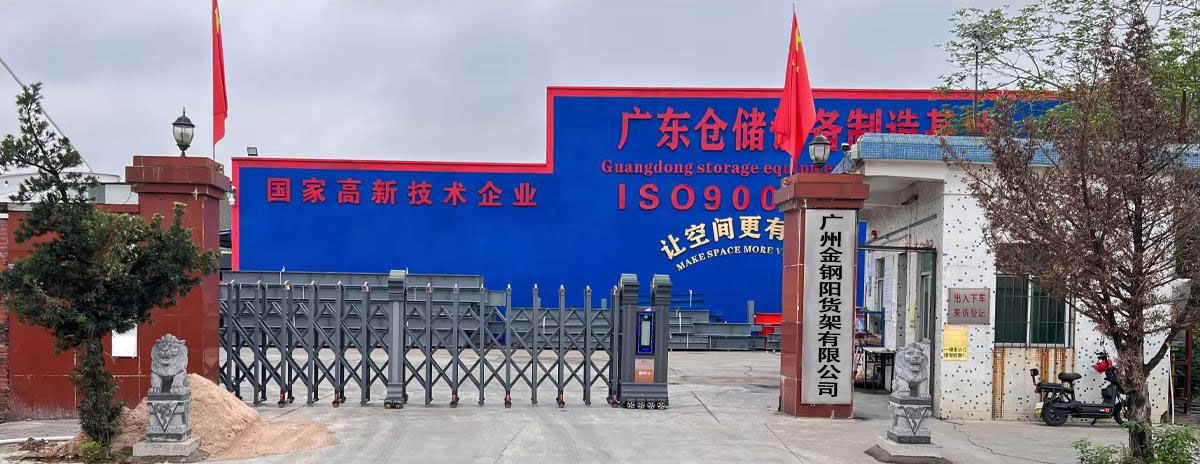
Guangdong JGY Shelf Co., Ltd. stands out as an authoritative leader among global platform trolley manufacturers and exporters. Established in 2016, the company operates a state-of-the-art manufacturing facility spanning 18,500㎡ in Guangdong, China. Equipped with fully automated roll-forming machines, robotic laser cutting cells, and continuous electrostatic powder coating lines, JGY Shelf integrates end-to-end design, rapid prototyping, and automated mass manufacturing.
With over 15 years of industry experience in engineering warehouse racks, supermarket shelving, industrial storage systems, and customized display units—complemented by 7 years of direct international export expertise—JGY Shelf yields an annual export revenue approaching USD 12 million. The company's products are trusted across premier markets including North America, Europe, Southeast Asia, the Middle East, Australia, and South America.
JGY Shelf operates a dedicated, highly trained quality assurance department staffed by 45 QC specialists. Every production batch passes through an uncompromising 5-stage verification matrix prior to container loading:
JGY Shelf's technical superiority stems from its massive commitment to research and product innovation. Backed by a dedicated R&D division of 120 experienced engineers, the company launched over 320 new products and design enhancements in the past year alone. Their robust global sourcing network incorporates more than 850 supply chain partners, guaranteeing stable material availability, short production lead times, and unmatched pricing competitiveness for global clients including warehouse operators, supermarket chains, logistics leaders, retail giants, global distributors, and engineering contractors.
Customization is central to JGY Shelf's core offering. Their OEM/ODM scope includes precise dimensional customization, structural load adjustment, color selection (RAL matching), specialty caster selection, custom branding/labeling, and full turnkey project engineering solutions.
Specific platform trolley and storage rack configurations optimized for unique operational workflows, load profiles, and ambient conditions.
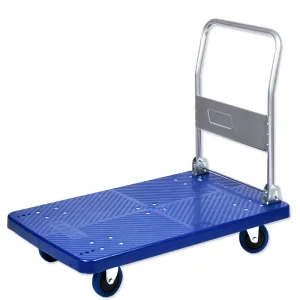
Heavy-duty folding hand trucks and multi-tiered mesh platform trolleys equipped with perimeter containment walls. Designed for rapid sorting, high mobility in narrow warehouse aisles, and zero package spillage during cross-docking movements.
304-Grade stainless steel or electro-galvanized platform trolleys designed to withstand sub-zero temperatures down to -30°C without plastic deck embrittlement or caster bearing seizure. Resistant to harsh chemical washdowns.
Nesting platform trolleys engineered with space-saving fold-up handles, quiet non-marking rubber casters, and protective rubberized bumpers to safeguard store fixtures and retail displays during restocking operations.
Ultra-heavy-duty platform carts featuring reinforced steel box-section channels capable of supporting up to 1,500 kg. Integrated with tow-hitch systems for multi-trolley train transportation behind tugger vehicles.
Ensuring seamless cross-border sourcing with strict adherence to international safety standards and full lifecycle support.
Procuring material handling assets internationally requires adherence to complex regulatory frameworks to avoid customs delays and operational liabilities. Leading exporters like JGY Shelf maintain comprehensive certification standards tailored to regional destination markets:
Full alignment with EN 1757-3 (Safety of industrial trucks - Platform trucks), ANSI/MH29.1, and CE Directives. Guarantees ergonomic brake engagement, wheel guards, and dynamic load safety margins.
Compliance with RoHS and REACH regulations regarding non-toxic powder coating finishes, heavy-metal-free plastics, and 100% recyclable structural steel components.
Flexible Incoterms support including EXW, FOB, CIF, and full DDP (Delivered Duty Paid) door-to-door shipping solutions. Multi-layer protective export packaging ensures zero transit damage.
Previewing next-generation innovations transforming manual platform trolleys into smart, data-driven material handling nodes.
As smart warehousing matures, platform trolleys are evolving from static manual tools into connected digital assets within the intralogistics ecosystem. Key technological developments shaping the 2025-2030 roadmap include:
Technical guidance and answers to standard procurement queries regarding platform trolley manufacturing, customization, and quality standards.
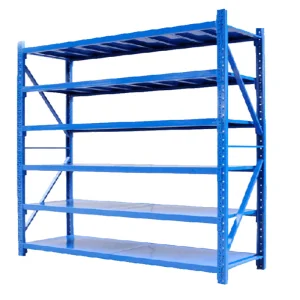
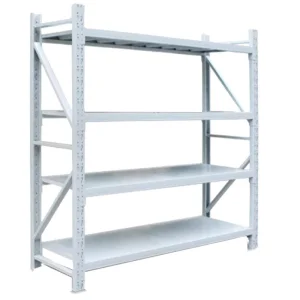
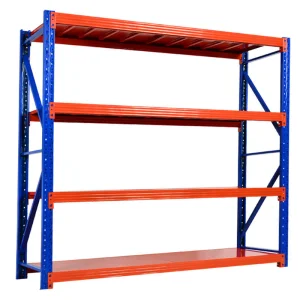
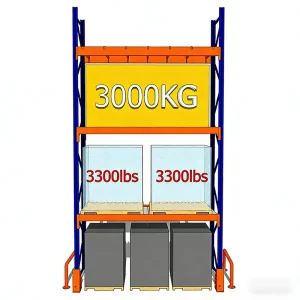
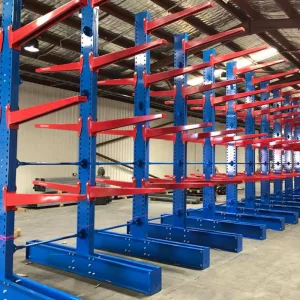
Browse our complete lineup of heavy-duty folding trolleys, adjustable shelving, and specialized warehouse storage racks.
 JGY Shelf