Engineered for high-density warehousing, structural stability, and international safety compliance.
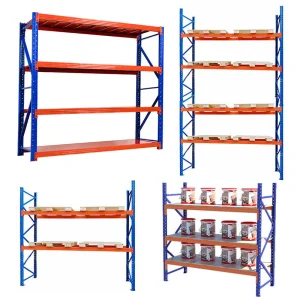
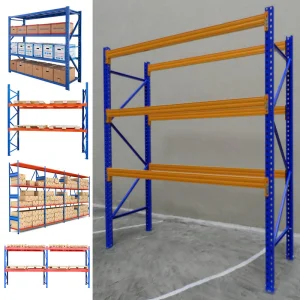
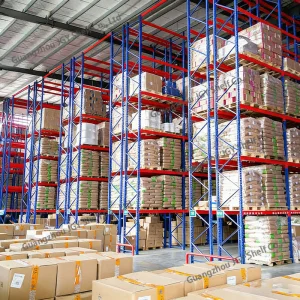
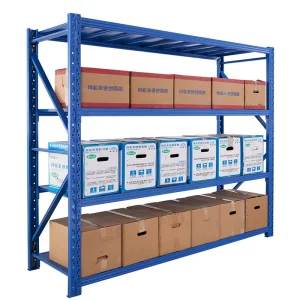
Addressing the spatial and logistics demands of 21st-century modern global supply chains.
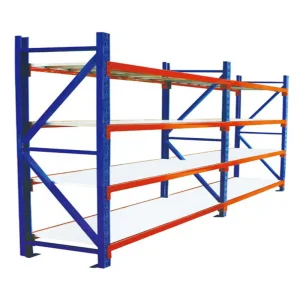
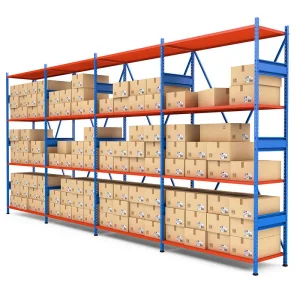
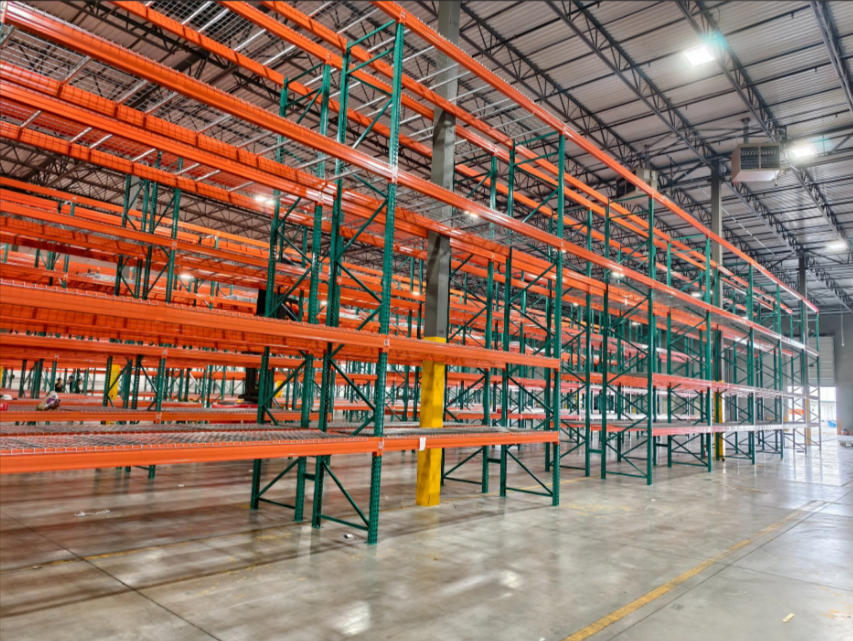
The global warehousing landscape is undergoing an unprecedented structural transition. E-commerce expansion, omnichannel retail models, and the immediate need for localized inventory buffers have pushed traditional warehouse layouts to their volumetric limits. To balance spatial efficiency with structural integrity, modern industrial engineers rely on heavy-duty beam shelves (pallet racking systems) as the primary framework of automated, semi-automated, and conventional logistics storage.
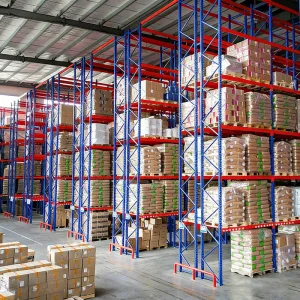
According to current supply chain intelligence, industrial floor space availability has reached historic lows in major shipping corridors across North America, Europe, and the Asia-Pacific region. Consequently, warehousing operations have transitioned from horizontal floor staging to high-density vertical accumulation. Standard heavy-duty beam racking structures enable operators to maximize vertical clearance heights (frequently extending beyond 12 meters) while maintaining quick selective access to individual stock keeping units (SKUs) via traditional forklifts or Automated Guided Vehicles (AGVs).
"The resilience of global supply chains relies heavily on the safety and modularity of structural storage. A single component failure in a high-capacity bay can trigger a catastrophic failure event, highlighting the necessity of purchasing from validated manufacturers."
At the center of this logistics evolution is the need for certified manufacturers that understand the load-bearing capacities of cold-rolled steel. Leading beam shelf exporters are no longer simple metal fabricators; they have evolved into essential engineering partners that design, simulate, and certify high-load infrastructure projects under strict regional safety guidelines (such as FEM, RMI, and AS4084).
Innovation, sustainability, and automated integration shaping the future of industrial storage.
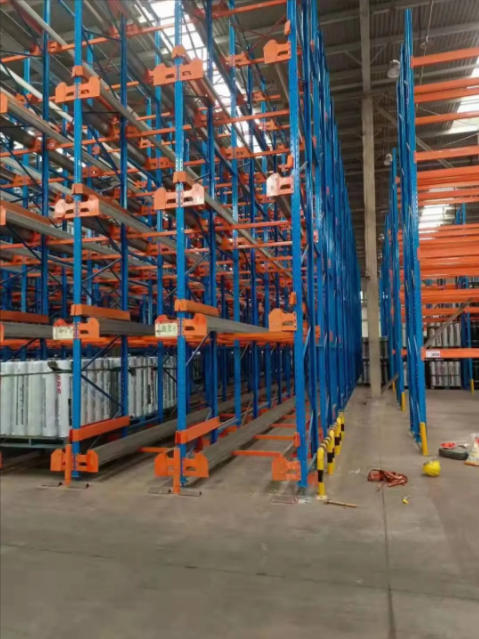
Modern beam shelves are built with precise dimensional tolerance controls to support Automated Storage and Retrieval Systems (AS/RS). High-bay systems require exact alignments to ensure robotic shuttles, cranes, and laser guides function without structural interference.
Global standards now demand strict seismic designs. Top exporters utilize Finite Element Analysis (FEA) to simulate tectonic events. The integration of structural upright protectors, column deflectors, and spring-loaded safety locking pins has become standard practice.
With cold chain and high-humidity warehousing on the rise, advanced surface treatments have evolved. Exporters apply multi-stage electrostatic powder coating systems and hot-dip galvanization processes to protect steel alloys from oxidation and surface wear.
Beyond these trends, sustainability plays a central role in raw material sourcing. Modern structural designs prioritize optimized high-strength steel alloys (such as Q235B and Q345B) to reduce total deadweight without compromising load capacity limits. This approach minimizes transport emissions while providing high-grade physical performance for heavy industrial applications.
Navigating structural compliance, lead-time precision, and custom engineering challenges.
B2B procurement professionals, engineering contractors, and operations managers require highly efficient suppliers when sourcing warehouse storage infrastructure. Procurement is no longer focused solely on low-cost unit pricing. Decision-makers evaluate vendors using a multi-layered matrix of compliance, consistency, and service capability:
To meet these requirements, manufacturers must run structured production processes, supported by modern testing equipment, quality assurance teams, and robust global logistics networks.
How automation and advanced steel engineering drive manufacturing advantages.
The Chinese manufacturing sector has advanced beyond high-volume production, evolving into a digitalized Factory 4.0 ecosystem. By combining automated roll-forming machines with robotic laser-welding systems, Chinese manufacturers deliver precise structural tolerances and consistent quality, while optimizing production costs.
This automated production provides major benefits for international industrial projects. Roll-forming lines process raw coils of structural steel into finished upright profiles in a single, continuous run. Robotic welding systems apply consistent, high-penetration welds to the end-connector plates on beam structures, eliminating the variations of manual welding. This level of automation ensures every batch of components meets standard load specifications.
In addition, these facilities benefit from strong supply chain integration. Proximity to major steel producers, packaging suppliers, and deepwater shipping terminals allows Chinese exporters to keep raw material costs stable, expedite production, and maintain reliable container shipping schedules even during global market shifts.
A look at a premier designer and manufacturer of global industrial storage systems.
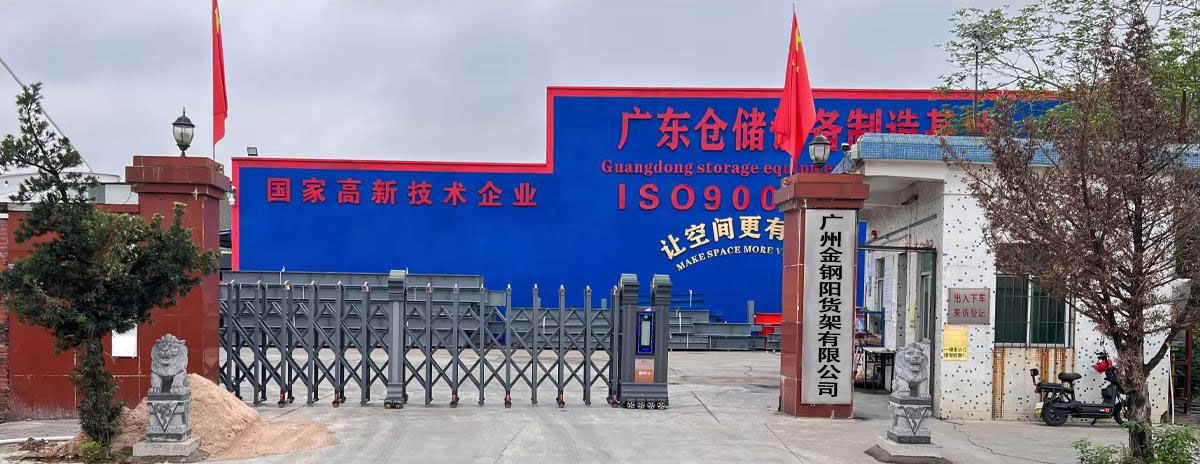
Established in 2016, Guangdong JGY Shelf Co., Ltd. is a leading specialist in the engineering, production, and international delivery of high-capacity storage racks. With over 15 years of industry experience and 7 years of direct export experience, the company has developed a strong global supply network, serving warehouse operators, distribution centers, and retailers worldwide.
Operating out of an 18,500㎡ production facility, JGY Shelf utilizes automated roll-forming lines, advanced metal cutting equipment, and a modern powder-coating plant. Supported by more than 850 supply chain partners, the factory maintains a stable supply of raw materials and accessories, ensuring reliable production schedules and competitive manufacturing costs.
Quality assurance is integrated into every stage of production at JGY Shelf. The dedicated 45-member Quality Control team oversees a strict five-step testing process:
Driven by ongoing research and product development, JGY Shelf's team of 120 experienced engineers introduced 320 new product models in the past year. This engineering capacity allows the company to support extensive OEM and ODM customization, including custom dimensions, specialized colors, specific load adjustments, and complex, multi-level structural layouts.
Customizing industrial racking configurations for diverse global operating environments.
Designed for sub-zero environments like food distribution hubs. Features specialized dynamic anti-freeze powder coatings or hot-dip galvanized steel to prevent rust and maintain structural strength under extreme thermal conditions.
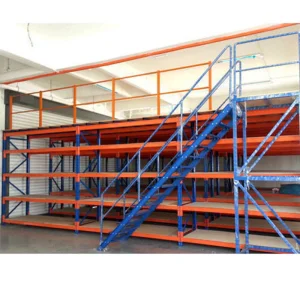
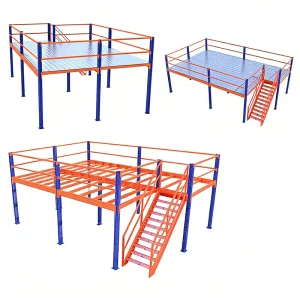
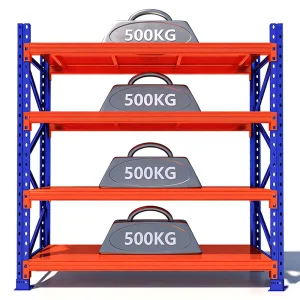
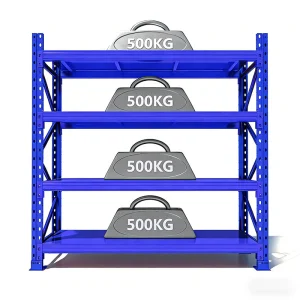
Optimized for high-speed multi-tier mezzanine platforms. Incorporates integrated beam shelves, wire mesh decking, and carton flow tracks to support dense storage layouts and rapid manual picking workflows.
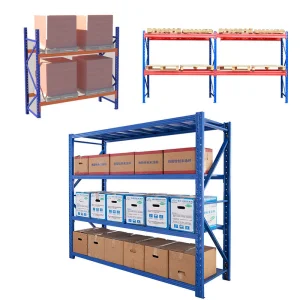
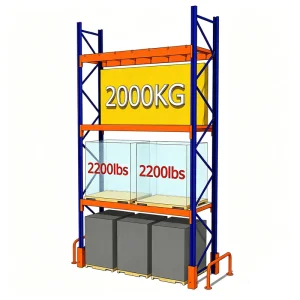
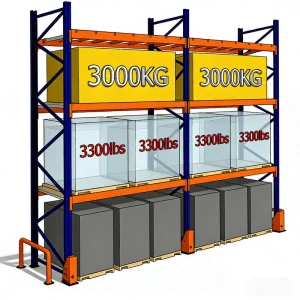
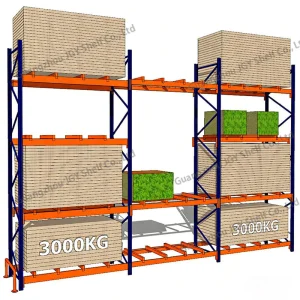
Configured with heavy-duty structural steel beam racks capable of holding 3000kg per level. Features safety support bars, heavy steel upright protectors, and pallet stops to secure industrial components and metal coils.
Detailed technical information and buying considerations for industrial racking systems.
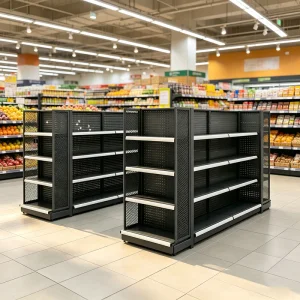
Explore our range of heavy-duty mezzanine platforms, light-duty commercial shelving, and supermarket displays.
18,500㎡ modern manufacturing plant utilizing automated roll-forming and robotic welding technology.
 JGY Shelf