Steel Platforms are raised structures designed to support people, equipment, materials, or working operations. They commonly use steel beams, columns, grating, handrails, stairs, and protective finishes. In a factory, a platform may hold a pump above the production floor. In a warehouse, it can create storage space without expanding the building footprint. Some platforms are permanent, while others support temporary maintenance work.
Their uses depend on load requirements, available space, access needs, and environmental conditions. Engineers consider weight, vibration, corrosion, deflection, fire risks, and daily traffic before selecting materials and connections. A grated walking surface may allow light and air to pass through. Solid decking may better protect workers below from falling tools or liquids. Small design details matter. A poorly positioned stairway can slow emergency access. An underestimated load can create serious structural stress.
Steel Platforms must be designed, fabricated, installed, and inspected according to applicable engineering standards and local requirements. Qualified professionals should verify load ratings, welds, bolts, guardrails, toe boards, and foundation connections. Galvanized or coated steel may improve durability in humid or corrosive areas. Regular inspections can reveal rust near joints, damaged grating, loose fasteners, or unexpected movement. Still, appearance alone proves little. A platform may look strong and remain unsuitable for its actual workload. That distinction is easy to miss. Understanding these structures requires practical experience, accurate calculations, and honest attention to changing site conditions.
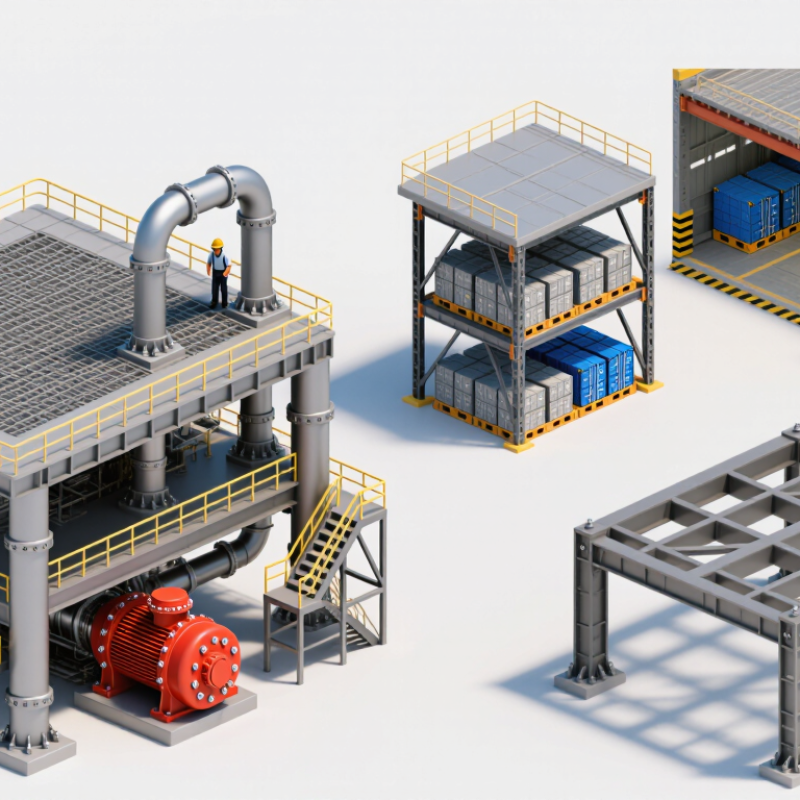
What Is a Steel Platform?
A steel platform is a raised, engineered surface built from structural steel members. It creates safe working, storage, or access space above ground level. Typical parts include beams, columns, decking, handrails, stairs, and toe boards. Some platforms support machinery, while others hold pallets, tanks, or maintenance workers.
Designers calculate live loads, dead loads, vibration, corrosion, and emergency access before fabrication. The platform must transfer weight safely into its foundations or supporting structure. According to the World Steel Association’s 2024 statistical report, global crude steel production reached about 1.84 billion tonnes in 2024. This scale reflects steel’s continuing role in industrial construction. However, material volume does not guarantee good design. A poorly placed column can block equipment access or create an unsafe walking route.
Tips: Confirm the working load with a qualified structural engineer. Keep drawings, inspection records, and coating specifications available. Check welds, bolts, decking, guardrails, and drainage during routine inspections. OSHA guidance also emphasizes fall protection and suitable access for elevated work areas. Small details matter. In practice, maintenance teams may discover that the original layout no longer matches daily operations. That change deserves review, not guesswork.
Steel platforms are elevated structural surfaces used for access, maintenance, storage, production, and equipment support. The chart compares representative minimum uniformly distributed live-load requirements for common platform-related use categories, expressed in pounds per square foot (psf). Actual platform design must also consider the governing building code, span, concentrated loads, vibration, guardrails, stairs, and environmental conditions.
Steel platforms are elevated structures used for access, maintenance, equipment support, and material handling.
Their design begins with the real load, not an attractive sketch. Engineers calculate dead loads, live loads, equipment reactions, wind, vibration, and possible impact forces. A maintenance worker may create a different load pattern than a storage rack.
The American Institute of Steel Construction requires engineers to verify strength, stability, serviceability, and connection performance.
Serviceability matters. Excessive deflection can make a platform feel unsafe, even when it remains structurally strong. Designers commonly select beams, columns, stairs, and grating after checking span lengths and support conditions. Open grating helps drainage and reduces weight, but small tools can fall through it. That detail is easy to underestimate.
Safety also shapes the build. The U.S. Bureau of Labor Statistics reported 395 fatal construction falls among 1,069 construction deaths in 2022. Therefore, guardrails, toe boards, safe stairs, access gates, and controlled installation procedures need early planning. Fabricators cut and weld steel from approved drawings, then inspect dimensions, welds, bolt holes, and protective coatings. Field measurements should still be verified. They can expose mistakes in existing floors or columns. Corrosion protection is another practical concern, especially around water, chemicals, or coastal air. Specifications such as ISO 12944 help engineers select a coating system, although site conditions can prove harsher than the original assumption.
Steel platforms are engineered work surfaces that create safer access above floors, tanks, machinery, and storage areas. Their forms differ because each workplace carries different loads and movement patterns.
Fixed steel platforms provide permanent access around processing equipment and elevated workstations. Mezzanine platforms add usable floor space inside warehouses or factories. They often support shelving, light production, or inspection areas.
Maintenance platforms include stairs, ladders, handrails, and toe boards. They help technicians reach valves, motors, and overhead components. Modular platforms use bolted sections, so teams can adjust layouts as equipment changes.
Mobile platforms are smaller and may include casters, but wheel locking remains essential. According to the World Steel Association’s 2024 World Steel in Figures, global crude steel production reached 1.892 billion tonnes in 2023. This reflects steel’s broad structural role, although it does not guarantee good platform design.
Loading platforms support vehicle transfer and material handling. Outdoor platforms need stronger protection against corrosion, wind, rain, and temperature changes.
OSHA’s general industry requirements specify a top rail height of 42 inches, plus or minus three inches. Toe boards must be at least 3.5 inches high under the same standard.
Designers also check live loads, point loads, vibration, deflection, drainage, and emergency access. A platform can look oversized and still fail under moving equipment. That detail is easy to miss.
In practice, a neat drawing may hide awkward footsteps or poor visibility. Field inspection should challenge the original design, not merely confirm it.
What Are Steel Platforms and What Are They Used For?
Steel platforms are elevated work surfaces built from beams, plates, grating, stairs, and guardrails. They support people, equipment, storage, and maintenance tasks. Their strength makes them useful where concrete structures are costly, slow, or difficult to modify. The World Steel Association reported global crude steel production of about 1.89 billion tonnes in 2023. This vast production base supports steel’s continued use in industrial construction.
Where Are Steel Platforms Used?
Factories use steel platforms around pumps, tanks, conveyors, and production lines. Workers can reach valves, inspection points, and electrical equipment without stopping every operation. In warehouses, platforms create mezzanine floors and picking levels above busy storage areas. Power stations commonly install them around boilers, turbines, and service corridors. Construction teams also use temporary platforms for safer access during installation and repairs.
They are common offshore and in marine facilities. Engineers select galvanized or coated steel when saltwater exposure threatens corrosion. In transport facilities, platforms support boarding areas, loading zones, and equipment access. OSHA’s Walking-Working Surfaces requirements emphasize guardrails, safe stairs, and stable walking surfaces. These details matter more than appearance. A narrow platform may fit a drawing but fail during real maintenance work. Designers should check live loads, impact risks, drainage, corrosion, and emergency access. That assumption is often wrong. A platform is not merely extra floor space; it becomes part of the site’s daily movement system.
Steel platforms are raised work areas built from beams, columns, grating, stairs, and guardrails. They support maintenance, storage, production lines, and equipment access. Their main strength is high load capacity within a compact footprint. The World Steel Association reported 1,892 million tonnes of crude steel production in 2023. This extensive supply supports consistent material availability and replacement planning. Steel also offers predictable structural performance when engineers verify loads, connections, corrosion exposure, and vibration.
The benefits are practical, but not unlimited. Steel platforms can span long distances, tolerate impacts, and accept modular extensions. Open grating improves drainage and reduces standing water around machinery. Repairs are often straightforward because damaged members can be replaced individually. However, steel adds considerable dead weight. That weight may require stronger foundations and lifting equipment. Outdoor platforms also need coatings or galvanizing. The World Steel Association’s life cycle research recognizes steel’s strong recycling potential, but recycling does not remove inspection, transport, or energy costs. A poorly protected platform can still corrode quickly. That detail is easy to underestimate.
Tips: Confirm the actual load, not just the equipment label. Include workers, tools, stored materials, vibration, wind, and future changes. Follow applicable structural and fall-protection standards. Inspect welds, bolts, grating, and drainage points regularly. A small rust blister may signal hidden damage. In my experience, maintenance access often matters more than maximum capacity. Designers sometimes optimize steel quantity and forget the technician carrying a toolbox. That is a costly oversight.
It provides elevated access for maintenance, equipment support, storage, and material handling. Workers may reach valves, pumps, conveyors, or overhead components.
Engineers calculate dead loads, live loads, equipment reactions, wind, vibration, and possible impacts. The design must also check strength, stability, deflection, and connections.
Common types include fixed, mezzanine, maintenance, modular, mobile, loading, outdoor, and temporary platforms. Each type suits different loads and movement patterns.
They are used in factories, warehouses, power facilities, transport areas, marine sites, and construction projects. A platform may surround a tank or cross above storage racks.
Guardrails reduce fall risks, while toe boards help stop tools and materials from sliding over edges. Small objects can cause serious problems below.
Open grating reduces weight and improves drainage. However, small tools may fall through the openings. The spacing needs careful review.
Yes, when its casters are suitable and locked during use. The platform should remain stable on the actual floor surface.
Water, chemicals, salt air, and temperature changes can damage unprotected steel. Coating systems should match site conditions, though the original assumption may be wrong.
Existing floors and columns may differ from drawings. Site checks can reveal incorrect dimensions, awkward steps, poor visibility, or blocked emergency access.
Yes. Excessive deflection, vibration, poor drainage, or difficult footsteps can make it unsafe to use. A clean drawing is not enough.
Steel Platforms are engineered structural systems made primarily from steel beams, columns, decking, and protective components. They create safe, elevated working or storage areas in places where additional floor space, access, or equipment support is needed. Their design begins with an assessment of the intended load, dimensions, environment, traffic, and safety requirements. Engineers then select suitable steel sections, connection methods, flooring, stairs, guardrails, and surface treatments. During construction, components may be fabricated, assembled, welded, or bolted, followed by inspections to confirm stability and quality.
Common types include fixed platforms, mezzanine platforms, access platforms, maintenance platforms, equipment platforms, and modular systems. They are used in warehouses, factories, construction sites, utility facilities, transportation areas, and processing environments. Key benefits include high strength, durability, adaptability, efficient use of vertical space, and relatively straightforward installation or modification. However, Steel Platforms can involve significant material and installation costs, require careful structural planning, and may need protection against corrosion, vibration, fire, or harsh weather. Regular inspections and maintenance are essential for continued safety and performance.

JGY Shelf