How to Optimize Pallet Storage for Maximum Efficiency?

Time:2026-08-23 Author:Aria
0%

In today's fast-paced supply chain environment, optimizing pallet storage is crucial for enhancing efficiency. According to a recent report by the Warehousing Education and Research Council (WERC), poor pallet storage can lead to a 20% increase in operational costs. Effective pallet storage strategies can streamline operations, reduce costs, and maximize space utilization.

Renowned expert in logistics, John Smith, emphasizes the importance of this aspect: “Maximizing pallet storage isn't just about space; it's about integrating technology and human resources efficiently.” His insights resonate with many industry leaders who recognize that smart pallet storage solutions can significantly lower waste and improve turnaround times.

However, many companies still struggle with inefficient practices. Outdated shelving systems and improper pallet stacking contribute to lost productivity. Adopting modern technologies, such as automated palletizers, can bring substantial improvements. As the industry evolves, reflecting on storage strategies becomes essential to stay competitive. Optimizing pallet storage is a journey that requires continuous assessment and adaptation to market demands.
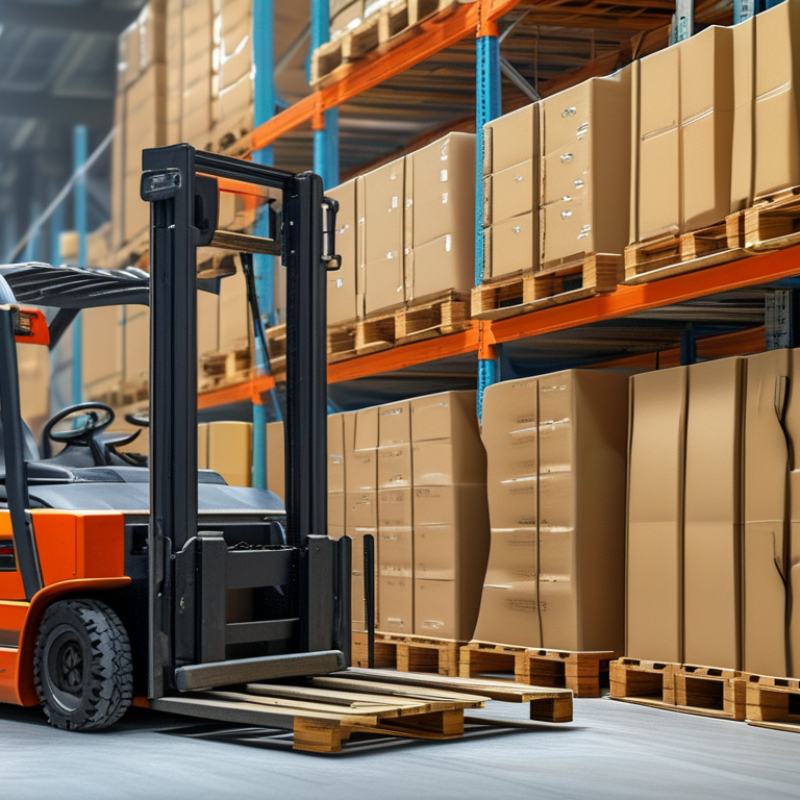
How to Optimize Pallet Storage for Maximum Efficiency?

Understanding the Importance of Pallet Storage Optimization in Warehousing

Pallet storage optimization is crucial for efficient warehousing. According to a study by the Warehousing Education and Research Council, effective pallet storage can increase space utilization by up to 30%. High-density storage systems, such as drive-in and selective racking, offer different advantages, each impacting operational efficiency. Drive-in racks can store a higher volume of goods, while selective racks facilitate easier access for inventory turnover.

Understanding the flow of goods is essential. Reports indicate that 60% of warehousing costs come from labor. Simplifying the layout and minimizing the distance traveled can lead to significant time savings. For instance, placing fast-moving items near packing stations can drastically reduce picking time, enhancing overall productivity. However, over-optimization can lead to challenges, such as hard-to-reach items or overcrowding, requiring reflection on the balance between space and ease of access.

Moreover, the varying size and weight of pallets play a role in storage decisions. Different pallet configurations can affect how well space is utilized. Studies have found that mixed pallet sizes can lead to inefficient use of vertical space. Analyzing the warehouse layout and pallet dimensions regularly can help make necessary adjustments. The key is to remain adaptable and willing to reassess strategies as needs change.

Warehouse Pallet Storage Optimization Analysis

This chart demonstrates the storage efficiency of different pallet sizes in a warehouse environment. The standard pallet size showcases the highest efficiency at 85%, while custom sizes exhibit lower efficiency rates, indicating the importance of optimal pallet size selection for maximizing storage capacity.

Analyzing Different Pallet Storage Systems: FIFO vs. LIFO Inventory Management

When choosing an inventory management system, FIFO (First In, First Out) and LIFO (Last In, First Out) are two popular methods. FIFO requires that older stock be sold before newer stock. This is especially relevant for perishable goods or items affected by obsolescence. Companies that adopt FIFO often see reduced spoilage rates and enhanced customer satisfaction. Managing stock flow in this way can clear the shelves efficiently.

On the other hand, LIFO enables businesses to sell the most recently acquired stock first. This method can be beneficial in times of rising prices. However, it has its downsides. It can lead to older inventory accumulating and becoming obsolete. Without proper monitoring, businesses risk overstocking outdated products. Analyzing both methods based on specific business needs is essential. Each has its merits and challenges, depending on the product type and market conditions. Balancing efficiency with effective inventory management remains critical.

Utilizing Technology: Warehouse Management Systems and Automated Solutions

Utilizing technology in warehouse management can significantly enhance pallet storage efficiency. Warehouse Management Systems (WMS) streamline operations. They help in tracking inventory, managing space, and optimizing workflows. A good WMS provides real-time data on stock levels, allowing managers to make informed decisions quickly. This leads to reduced wasted space and improved retrieval times.

Automated solutions, such as automated guided vehicles (AGVs) and robotic systems, are revolutionizing pallet storage. These technologies can transport and position pallets with precision. The integration of these systems minimizes manual errors and enhances safety. However, there can be challenges. Not all warehouses can easily adapt to automation. Infrastructure upgrades may be necessary, and training staff is a crucial step. The initial costs can seem daunting, yet the long-term benefits often justify the investment.

It's important to consider the specific needs of your warehouse. Each setup is unique, and what works for one may not work for another. Regular assessments of technology performance can uncover optimization areas. Balancing manual and automated processes can often yield the best results. Continuous reflection on efficiency strategies is essential for improvement.

Maximizing Vertical Space: Strategies for High-Density Pallet Storage

Maximizing vertical space is key for high-density pallet storage. By utilizing the full height of a warehouse, businesses can significantly increase storage capacity. Consider installing tall racking systems. These systems allow for extra rows above regular shelves. However, safety must not be compromised. Ensure that all racks are well-anchored and capable of handling heavy loads.

Another effective strategy is to implement stackable pallets. This approach allows for easy stacking without risking damage to the pallets or their contents. Adjusting the layout can also make a difference. For instance, a mix of single and double-deep racks can optimize space and accessibility. Remember, while maximizing storage, it’s important to maintain clear pathways for safety and operational efficiency.

Regularly reviewing storage practices is necessary. Teams should assess whether the current layout meets operational demands. Take note of areas that may become congested over time. Flexibility is vital, as your storage needs may change. Balancing high-density storage with practicality can lead to better workflow and productivity.

Implementing Safety and Accessibility Standards for Efficient Pallet Management

Implementing safety and accessibility standards in pallet management is crucial for improving efficiency. According to a report by the Warehouse Education and Research Council, proper pallet organization can increase storage space efficiency by 30%. With this benefit in mind, focusing on structural integrity and adherence to safety guidelines becomes essential. Ensuring that pallets are stacked properly not only enhances space utilization but also minimizes the risk of accidents, such as stacks falling over.

Creating clear pathways for accessibility can enhance workflow. A recent study indicated that facilities with well-defined movement paths saw a reduction in operational delays by 25%. Teams should have easy access to high-demand items, allowing them to maintain productivity. This approach can boost morale and lead to long-term staff retention.

Regular training is vital. Employees must understand safety protocols when handling heavy pallets. The implementation of periodic training sessions can significantly reduce workplace injuries. Management should encourage feedback on current practices. This can help identify areas for improvement. Consider using pallet racking systems that incorporate adjustable shelving. These systems allow for easy modifications as inventory needs change.

FAQS

: What is pallet storage optimization?

: Pallet storage optimization increases the efficiency of warehousing. It improves space utilization by reorganizing storage.

How can pallet storage affect operational efficiency?

High-density systems, like drive-in racks, store more goods. Selective racks allow easy access, impacting workflow positively.

What are common costs in warehousing?

Labor costs account for about 60% of total warehousing expenses. Efficient layouts can reduce these costs significantly.

Why is understanding the flow of goods important?

It helps in minimizing travel distance for workers. Quick access to fast-moving items boosts productivity significantly.

What is the difference between FIFO and LIFO?

FIFO sells older stock first, reducing spoilage. LIFO sells newer stock first and might lead to outdated inventory.

How does pallet size affect storage?

Mixed pallet sizes can create inefficient vertical space usage. Regular analysis of pallet dimensions is important for optimization.

How can vertical space be maximized in storage?

Utilize tall racking systems and stackable pallets. These methods enhance storage capacity but must prioritize safety.

Why is it necessary to review storage practices regularly?

Regular reviews help ensure the layout meets current demands. Adjustments may be needed to prevent congestion and inefficiency.

What should be considered when optimizing pallet storage?

Balance between available space and ease of access is crucial. Over-optimization can lead to hard-to-reach items.

How can flexibility improve warehousing efficiency?

Adaptability to changing needs can enhance productivity. Warehouse teams should remain open to reassessing strategies frequently.

Conclusion

Optimizing pallet storage is crucial for enhancing efficiency in warehouse operations. By understanding the importance of pallet storage optimization, businesses can significantly improve inventory management while effectively utilizing space. This involves analyzing different pallet storage systems, such as FIFO (First In, First Out) and LIFO (Last In, First Out), to determine the best approach for inventory turnover.

Incorporating technology, such as warehouse management systems and automated solutions, can further streamline pallet storage processes. Maximizing vertical space through high-density storage strategies not only increases capacity but also improves accessibility. Additionally, implementing safety and accessibility standards ensures that pallet management is efficient and compliant, ultimately contributing to a more organized and productive warehouse environment.

Aria

Aria

Aria is a dedicated marketing professional with a deep passion for innovative strategies and a keen understanding of our company's product offerings. With a wealth of experience in the industry, Aria excels at crafting engaging content that highlights the unique features and benefits of our......