Choosing the best Steel Containers begins with the cargo, route, and handling environment. A container for machinery needs different protection from one carrying boxed goods. Weight matters. So does moisture.
Marc Levinson, author of The Box, wrote that “the container is a simple steel box.” That description sounds modest, but performance depends on many details. Steel grade, wall condition, door seals, floor strength, and corner fittings influence shipping reliability. A strong appearance is not enough. Small defects can become expensive problems at sea.
Experienced buyers inspect containers before comparing prices. Check for rust around welds, bent locking bars, water stains, and damaged plywood floors. Measure the internal length, width, and height carefully. Confirm the maximum payload and verify that lifting points match the handling equipment. Routes with heavy rain, salt air, or temperature changes may require better coatings and ventilation. Standard dimensions can improve compatibility with trucks, cranes, and storage yards.
The cheapest option may not be the best value. Not always.
A practical decision also includes inspection records, repair history, delivery timing, and supplier support. Reputable suppliers should provide clear specifications and honest condition reports. Certification requirements can vary by route and use, so buyers should confirm current requirements with qualified shipping professionals. This guide will compare common Steel Containers by construction, protection, capacity, and lifecycle cost. Some judgments remain difficult. A nearly new container can still fail if its doors are poorly maintained. Careful inspection remains essential.
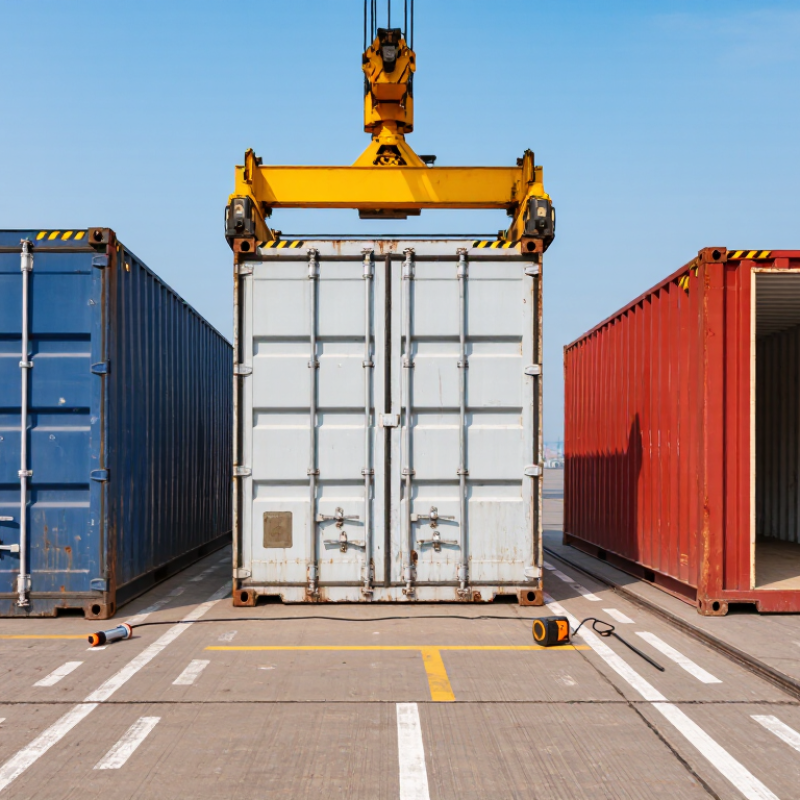
Choosing steel containers starts with the cargo, route, and handling environment. Write down dimensions, gross weight, loading method, and expected transit time. A palletized load needs different internal clearance than loose machinery. Measure doors, corners, and lifting points before requesting quotations. Ask whether the container will face salt air, rain, freezing temperatures, or repeated transfers. These details determine steel grade, wall thickness, floor strength, coating, ventilation, and door design. A container that fits the product may still fail during handling.
During inspections, check welds, hinges, locking bars, seals, and floor joints closely. Look for distortion around corner fittings and water marks beneath the floor. Request test records, load ratings, dimensions, tare weight, and maintenance history. Specifications should be compared with recognized technical standards and carrier requirements.
My early assumption was that thicker steel always meant safer shipping. It did not account for weight limits, usable volume, or corrosion protection. That trade-off deserves a written review. Confirm current transport and safety rules for every route.
Tips:
Choosing the right steel container starts with cargo weight, handling points, and route conditions. UNCTAD’s Review of Maritime Transport 2024 reports that ships carry over 80% of global trade by volume. That scale makes small design choices important. A standard 20-foot container suits dense cargo, machinery, or palletized goods with limited volume. A 40-foot container offers roughly twice the floor length. A 40-foot high-cube model adds about 30 centimeters of internal height, useful for tall cartons and lightweight products.
Size is not the only comparison. ISO 668 sets common external dimensions, including widths near 2.44 meters and lengths of about 6.06 or 12.19 meters. Actual internal capacity varies with wall thickness, door design, and flooring. Always check the manufacturer’s verified payload and maximum gross mass. A rough estimate can fail badly. Weights shift during loading.
Construction material also affects performance. Weathering steel provides strong resistance to rain, salt air, and repeated lifting. Galvanized steel can offer better corrosion protection in severe environments, but it may cost more. Aluminum containers are lighter, yet steel usually handles harsh impacts better. For refrigerated cargo, insulated steel panels and tested thermal equipment matter more than exterior appearance. The Container Owners Association recommends checking floors, corner castings, doors, and roof panels during inspections. I would not rely on paint alone. Scratches, hidden rust, and distorted locking bars can reveal a container’s real condition.
Comparison of common container types by standard internal volume. Larger high-cube units provide additional vertical capacity, while refrigerated containers use insulated steel construction for temperature-controlled cargo.
| Container Type | Typical Size | Typical Internal Volume | Construction and Best Use |
|---|---|---|---|
| 20-foot Dry Van | 20 ft × 8 ft × 8 ft 6 in | About 33.2 m³ | Corten-steel exterior with steel flooring; suitable for dense, heavy cargo. |
| 40-foot Dry Van | 40 ft × 8 ft × 8 ft 6 in | About 67.7 m³ | Standard corrugated steel body; a balanced choice for general palletized freight. |
| 40-foot High Cube | 40 ft × 8 ft × 9 ft 6 in | About 76.4 m³ | Steel construction with an extra foot of height; useful for bulky or tall cargo. |
| 40-foot Refrigerated | 40 ft × 8 ft × 9 ft 6 in | About 67.5 m³ | Insulated steel panels with a food-grade interior; designed for temperature-sensitive goods. |
The figures represent typical nominal specifications for ISO freight containers. Actual internal dimensions and usable volume vary according to construction, insulation, door design, and the container’s certification plate.
Durability starts with more than steel thickness. Inspect welds, corner castings, door seals, flooring, and corrosion around drainage points. A practical inspection should include loaded-door tests, lifting checks, and close photographs of damaged areas.
The World Shipping Council reported 221 containers lost at sea in 2023, representing about 0.0003% of containers shipped. The percentage is small, but one structural failure can still delay an entire shipment.
Safety features must match real operating conditions. Choose containers with secure locking bars, visible identification plates, intact gasket seals, and floors rated for the intended load. Check ventilation when temperature or moisture could affect cargo stability. A thicker wall is not automatically safer. Poor welds and distorted corner fittings can create greater risks. This is easy to overlook.
Regulatory compliance requires documented evidence.
Containers used in international sea transport should meet the International Convention for Safe Containers, including valid CSC approval and inspection markings. ISO 668 supports consistent container dimensions, while ISO 1496-1 defines key performance requirements. UNCTAD’s Review of Maritime Transport reports that ships carry over 80% of world merchandise trade by volume, making consistent standards essential.
Ask for inspection records, test certificates, and repair histories before purchase. Records can be incomplete. Recheck them against the container number, because paperwork errors happen.
A low purchase price can look attractive, but it rarely shows the complete cost. Compare delivery, repairs, inspections, repainting, and eventual replacement. A container with sound welds and intact seals usually costs less over several shipping cycles. Check door alignment, floor damage, roof dents, and corrosion before accepting it. Small defects can become expensive problems after repeated exposure to rain and vibration.
Environmental conditions should guide the steel grade and protective treatment. Salt air accelerates rust around doors, corner fittings, and scratched panels. Humid ports may require more frequent inspections and faster drying after washing. Severe temperature changes can create condensation inside the container. In dusty regions, particles may block drainage channels and wear down moving parts. Record these conditions instead of relying on memory.
Maintenance should be practical for the operating team. Inspect seals, hinges, locks, drain openings, and interior surfaces at regular intervals. Remove standing water and repair damaged coatings before bare steel spreads corrosion. Keep a simple inspection log with dates, photos, and repair costs. It improves decisions, though it is easy to record too little detail. A maintenance plan can also fail when responsibilities are unclear. Assign each task to a person, not merely to a department. Test the container under realistic loading conditions before committing to a large fleet.
Choose a steel container by cargo weight, dimensions, door design, and ventilation needs. Ask for steel grade, wall thickness, floor capacity, coating system, and test records. These details matter more than glossy photographs. Check weld lines, door seals, corner fittings, and floor joints during inspection. Small gaps can admit rain and damage packaged goods. Confirm lifting points and stacking limits before shipment.
A reliable supplier provides consistent documents, clear prices, and realistic production dates. Request material certificates, inspection reports, and recent shipment references. Confirm that the documents match the offered container, not an older model. Speak with the quality contact, not only a sales representative. Ask how defects are recorded and corrected before dispatch. Visit the facility when the order is important, or hire an independent inspector. One photo is never enough. Trust grows through evidence.
Tips: Order one sample before a large purchase. Measure its walls, doors, floor, and internal finish. Test the door seal with a bright light inside. Review the packing method and loading photographs. Compare promised delivery dates with the supplier’s past performance. Do not ignore slow replies or vague warranty terms. A polished catalog can mislead. My own judgment can be too optimistic. Independent review helps.
Record cargo dimensions, gross weight, loading method, center of gravity, restraint points, and transit time. Measure doors and corners carefully. Leave space for padding and inspection access.
A 20-foot container often suits dense cargo, machinery, or palletized goods. A 40-foot container provides about twice the floor length. A high-cube model adds roughly 30 centimeters of internal height.
Not always. Wall thickness, flooring, and door design reduce internal capacity. Check verified payload, internal dimensions, tare weight, and maximum gross mass. Rough estimates can fail badly.
Salt air, rain, freezing temperatures, and repeated transfers require different protection. Consider steel grade, wall thickness, coating, ventilation, floor strength, and door design. Paint alone is not enough.
Check welds, hinges, locking bars, seals, corner fittings, roof panels, and floor joints. Look for distortion, hidden rust, and water marks beneath the floor. Photograph the empty interior.
Request load ratings, test records, dimensions, tare weight, and maintenance history. Compare them with recognized technical standards and carrier requirements. Ask an independent inspector when specifications conflict.
No. Thicker steel may reduce usable volume and increase container weight. It can also affect transport limits and handling costs. My earlier assumption was incomplete.
Test doors before loading and again after sealing. Confirm smooth movement, firm locking, and continuous seal contact. Small omissions become expensive later.
Choosing the best Steel Containers for shipping begins with clearly defining your cargo requirements, shipment routes, loading methods, and expected usage conditions. Consider the container’s required capacity, dimensions, weight limits, door configuration, ventilation, and internal layout. Compare standard, specialized, and modular container designs, paying close attention to steel grade, structural strength, corrosion resistance, insulation, and compatibility with different transportation methods. The right combination of size and construction will help protect goods while improving handling efficiency.
Durability and safety should also be evaluated through features such as secure locking systems, reinforced corners, weatherproof seals, stable floors, and reliable ventilation. Confirm that the container meets applicable shipping, transport, and workplace requirements. In addition to the purchase price, assess maintenance, repair, cleaning, storage, and operating costs under the intended environmental conditions. Finally, select a container that offers a practical balance of performance and long-term value, and verify the supplier’s manufacturing quality, inspection procedures, documentation, delivery capability, warranty terms, and after-sales support before making a decision.

JGY Shelf