Choosing the right shelving systems can significantly impact your space's organization and efficiency. These systems serve various purposes, from displaying books to storing kitchen essentials. With numerous options available, selecting the best fit requires careful consideration. Each type offers unique advantages and drawbacks.
When assessing shelving systems, think about your specific needs. For instance, adjustable shelves provide flexibility. However, they may not always offer the sturdiness needed for heavy items. On the other hand, fixed shelves can support more weight but may lack versatility. This balance is essential in optimizing your storage area.
It’s also important to reflect on your design preferences. Aesthetics play a role in your environment. While a minimalist style is trendy, it might not suit everyone's taste. Exploring diverse shelving styles can lead to a satisfying solution. Take the time to evaluate your options. Finding the perfect shelving systems can transform any space.
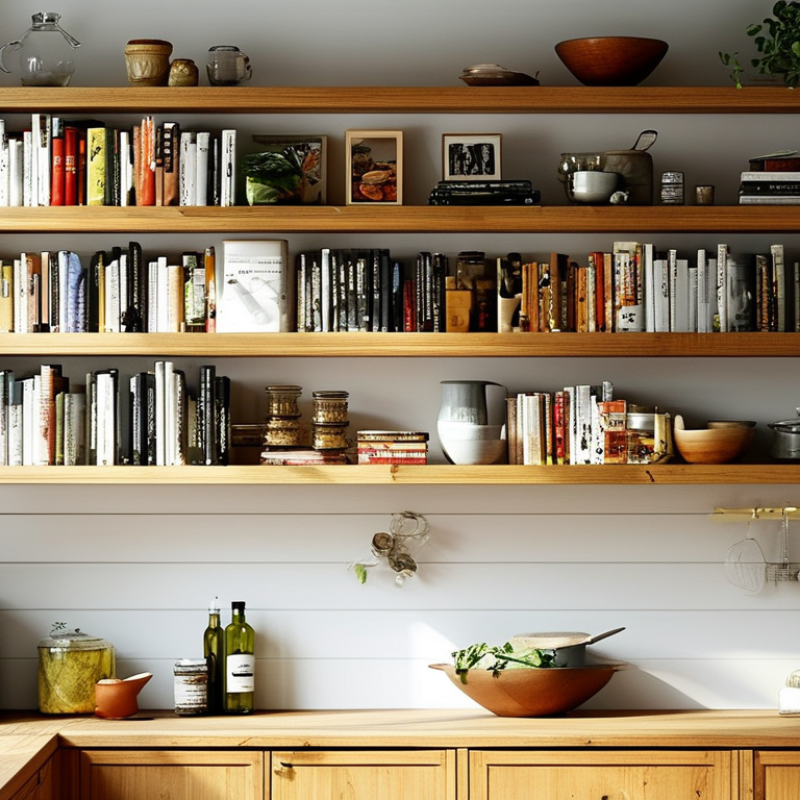
When selecting the right shelving systems, several key factors come into play. The material of the shelving is crucial. Wood, metal, and plastic each offer different durability levels. For instance, wood adds warmth but may not withstand moisture well. Metal is sturdy but can be heavy. What suits your environment? Consider your space's humidity and temperature.
The weight capacity is another critical factor. Shelves must support the items you intend to store. Overloading can lead to shelf failure and potential damage. Assess what you will place on the shelves. If you have a mix of light and heavy items, adjustable shelves might be worth considering. Customization often leads to better organization.
Lastly, aesthetic value plays a role. Shelving can influence the ambiance of a room. Whether it’s a modern look or a rustic charm, your choice should reflect your style. However, remember that functionality should not be sacrificed for looks. Finding that balance often takes time and reflection. A well-suited shelving system enhances both practicality and design, inviting a sense of order.
When choosing shelving systems, the material is a critical factor. Wood, metal, and plastic each offer unique advantages and drawbacks. Wooden shelves add warmth and a classic look to your space. They are sturdy and can support heavy items. However, wood can warp when exposed to moisture. This may limit its use in humid environments, like basements.
Metal shelving is known for its strength and durability. It works well in garages or industrial settings. Metal shelves can handle heavy loads without bending. Yet, they may not fit every decor style. Additionally, they are prone to rust without proper coating. On the other hand, plastic shelving is lightweight and easy to move. It resists moisture and is perfect for damp areas. Still, plastic may not be as robust as wood or metal. It can sag under heavy weight over time.
Reflecting on these materials is important. Depending on your specific needs, challenges can arise. Think about where the shelves will be used. Evaluate the weight capacity required. Each material has its purpose, and understanding them ensures you'll make a wise investment.
Understanding load capacity is crucial for any shelving system you choose. Each shelf must safely support the items placed on it. Overloading can lead to dangerous collapses. According to the 2022 National Safety Council report, improper storage is a leading cause of workplace injuries. This statistic highlights the need for reliable shelving solutions that match your storage needs.
When assessing load capacity, consider material strength and shelf design. For instance, steel shelves generally hold more weight than wood. Research from the American National Standards Institute shows that a standard metal shelf can support between 400 to 800 pounds. Knowing these details helps in selecting proper shelving for heavy equipment or stock.
It’s also important to allow for margin in load calculations. If your items weigh 300 pounds, opt for shelving rated for at least 400 pounds. This approach minimizes risk and potential accidents. Regular inspections are vital to ensure shelf stability and integrity. Use this information to store items safely and efficiently.
Innovative shelving designs can greatly enhance space efficiency and accessibility in any setting. When choosing shelving systems, consider how you utilize your space. Compact designs, like vertical shelving, help maximize limited areas. Opt for adjustable shelves to accommodate various items and adapt to changing needs.
One helpful strategy is to categorize your items clearly. Group similar things together. Use clear bins or labels for easy identification. This reduces clutter and saves time. Think about the height of your shelves too. Frequently used items should be at eye level. Less used items can go higher up.
Reflect on your current setup. Does it meet your needs? It might not. You may find areas of wasted space or hard-to-reach items. Don’t hesitate to make bold changes. Integrating innovative designs can revolutionize your storage experience. Look for designs that blend functionality with aesthetic appeal. This could inspire you to create a more organized and inviting environment.
Choosing the right shelving system often hinges on your budget. According to a recent market analysis by Grand View Research, the global shelving market is projected to grow significantly, reaching a value of over $20 billion by 2025. Costs can vary widely based on materials, design, and size. Basic wooden shelves may start as low as $20 per unit, while metal or custom configurations can exceed $200.
When calculating your budget, consider additional factors like installation and maintenance. Installation costs may range from $50 to $150, depending on complexity. Regular maintenance is also essential; wood may require refinishing over time. If you've got an eye for detail, investing in quality materials can pay off long-term.
Think about your specific needs. For heavier items, resilient designs like industrial shelving are essential. These might cost more upfront but can save you money on replacements. Assess your space wisely. Measure dimensions accurately to avoid costly mistakes. Maximizing vertical space and using modular systems can yield significant savings.
This bar chart displays the average costs of different shelving systems, helping you to compare and budget for the ideal setup for your needs.
: Consider materials like wood, metal, and plastic. Each has different durability levels and suits various environments.
Load capacity ensures shelves support your items safely. Overloading can cause dangerous collapses and potential injuries.
Look at material strength and design. For instance, steel shelves usually hold more weight than wooden ones.
Always choose shelving rated higher than your total weight. For 300 pounds, select shelves rated for at least 400 pounds.
Budget determines material and design. Basic wood shelves are cheaper, while custom metal setups are more expensive.
Installation can cost between $50 and $150. Wood shelving may need refinishing, adding to long-term maintenance costs.
Both are important. Seek a balance where design complements usability, but do not sacrifice practicality for looks.
Measure your space accurately. Consider vertical solutions and modular designs to maximize storage without overspending.
Yes, installation and ongoing maintenance can add up. Quality materials may have higher initial costs but save money long-term.
Regular inspections are vital. They help ensure stability and safety. Don't ignore wear and tear signs.
When selecting the best shelving systems for your needs, several key factors come into play. Considerations such as the type of materials, durability, and your specific storage requirements will significantly influence your choice. Different materials offer varying pros and cons, impacting both functionality and aesthetics. Additionally, understanding load capacity is crucial to ensure safety and efficiency, as improper loading can lead to accidents or damage.
Innovative shelving designs can help maximize space utilization and improve accessibility, making your storage solution even more effective. Finally, a cost analysis is essential to budget appropriately for your ideal shelving system setup. Balancing quality, design, and price will lead you to a shelving system that meets your unique needs while providing optimal storage solutions.

JGY Shelf